Contact us
Send Us Your Case Details
We’ll respond and let you know the best way to proceed with your case.

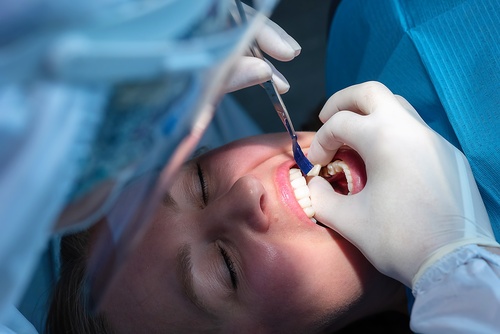
If you are preparing for wisdom tooth removal, knowing what happens before, during, and after the procedure can make the process feel much more manageable. Your experience will depend on how many wisdom teeth are being removed, whether they are fully erupted or impacted, your overall health, and the anesthesia plan recommended by your oral surgeon.
In general, the process includes a consultation and imaging, pre-operative instructions, anesthesia, removal of the teeth, monitored recovery, and several days of healing at home. Your surgeon will also give you specific guidance about swelling, pain control, eating, oral hygiene, warning signs, and follow-up care.
The instructions you receive from your oral surgeon should always take priority over general guidance. Book your consultation with Zenith Oral Surgery today to learn more.
Wisdom tooth removal usually starts with an evaluation. Your oral surgeon will examine your mouth and review imaging to understand the position of your wisdom teeth and the surrounding anatomy.
Some wisdom teeth have fully erupted through the gums, while others are partially erupted or impacted beneath gum tissue or bone. Their position can influence whether removal is recommended and how the procedure is performed.
Your surgeon will also review your medical history, allergies, medications, and any health conditions that could affect treatment or anesthesia. Be prepared to provide an accurate medication list, including prescription drugs, over-the-counter medications, vitamins, and supplements.
This consultation is also a good time to ask questions about your procedure, recovery expectations, and anesthesia options.
Your pre-operative instructions will depend largely on the type of anesthesia or sedation planned for your procedure.
Do not assume that everyone needs to fast before wisdom tooth removal. Fasting instructions vary according to the anesthesia plan, so follow the exact directions provided by your surgeon.
You may also receive instructions about whether to take or temporarily adjust certain medications. Do not stop a prescribed medication unless your surgeon or prescribing healthcare professional tells you to do so.
If sedation or general anesthesia is planned, you may need a responsible adult to drive you home and remain available during the early recovery period. Your surgical team may also provide instructions about clothing, jewelry, contact lenses, or other day-of-procedure details.
Local anesthesia numbs the treatment area while you remain awake.
You may feel pressure or movement during the extraction, but the goal of local anesthesia is to prevent pain in the surgical area. Whether local anesthesia alone is appropriate depends on the planned procedure and your individual needs.
Sedation can help patients feel more relaxed during oral surgery. The level of sedation can vary, and patients may have limited memory of the procedure depending on the method used.
Monitoring requirements, fasting instructions, and transportation rules depend on the specific sedation plan. Your oral surgeon will explain which option is appropriate and what you need to do beforehand.
With general anesthesia, you are unconscious during the procedure and are continuously monitored by the surgical team.
General anesthesia is not necessary for every wisdom tooth extraction. Your surgeon will consider factors such as the complexity of the surgery, your medical history, and your individual treatment needs before recommending it.
Once you are comfortable and the planned anesthesia has taken effect, the surgeon begins the extraction.
For a fully erupted wisdom tooth, removal may be relatively straightforward. An impacted tooth may require a small opening in the gum tissue to reach the tooth.
In some cases, a small amount of surrounding bone may need to be removed. The tooth may also be divided into smaller sections so it can be removed more carefully.
After the tooth is removed, the surgical area is cleaned. Dissolvable stitches may be placed when appropriate, although not every extraction requires them.
The exact steps vary based on the number and position of the wisdom teeth being removed.
The first day or two after surgery is an important part of healing.
Your surgical team may place gauze over the extraction sites and explain how long to keep it in place and when it should be changed. Some mild oozing can occur after surgery, but follow your surgeon’s instructions if bleeding continues.
Take prescribed or over-the-counter medications only as directed. Your surgeon may also recommend cold compresses during the early recovery period to help with swelling.
Rest is usually important during the first day. Keeping your head elevated may also be recommended.
Protecting the blood clot that forms in the extraction site is especially important. Follow your surgeon’s directions about avoiding smoking, straws, forceful spitting, and vigorous rinsing during early healing.
Disturbing the clot can increase the risk of a complication known as dry socket.
Most patients begin with soft foods and liquids that are comfortable to eat without significant chewing.
Options may include foods such as yogurt, applesauce, smoothies eaten without a straw, mashed foods, soup that is not too hot, or other soft choices recommended by your surgical team. Stay hydrated, but avoid foods or drinks that could irritate the surgical areas.
As healing progresses, you can gradually return to more normal foods based on comfort and your surgeon’s instructions.
Oral hygiene is still important after wisdom tooth removal, but the extraction sites need to be treated gently. Your surgeon may tell you when to resume brushing near the surgical areas and whether to use a specific rinse.
Avoid aggressively brushing, rinsing, or disturbing the extraction sites during early healing.
Some swelling, soreness, bruising, and jaw stiffness can occur after wisdom tooth surgery.
The amount varies from one patient to another. People who have several impacted wisdom teeth removed may have a different recovery experience than someone having one fully erupted tooth extracted.
Swelling may become more noticeable before it begins to improve. Jaw stiffness can also make it uncomfortable to open your mouth widely for a short period.
Your oral surgeon can give you a more individualized idea of what to expect based on the complexity of your procedure.
Avoid comparing your recovery too closely with someone else’s. Healing speed depends on factors including the procedure performed, your health, and how your body responds to surgery.
Your surgeon should give you specific instructions about which symptoms require a call to the office.
Contact the surgical team if you experience symptoms such as:
Difficulty breathing or swallowing can require urgent medical attention. If you believe you are experiencing a medical emergency, seek emergency care rather than waiting for a routine follow-up.
Increasing pain several days after an extraction can sometimes be associated with dry socket. Contact your surgeon rather than trying to diagnose or treat the condition yourself.
Recovery from wisdom tooth removal is not identical for every patient.
Your surgeon may recommend follow-up based on how complex the procedure was, whether stitches were placed, your health, and how you are healing.
Follow the instructions you receive about exercise, work, school, driving, and other activities. Returning to strenuous activity too quickly may interfere with early healing.
If you are unsure whether you are ready to resume a specific activity, ask your surgical team.
If you are considering wisdom tooth removal in the Santa Clarita area, an evaluation can help determine whether removal is recommended and what type of procedure may be appropriate.
Zenith Oral Surgery can evaluate the position of your wisdom teeth, review your health history, discuss anesthesia options, and provide individualized instructions for surgery and recovery.
To schedule a consultation, call (661) 656-4545 or learn more about our oral surgery services.
Procedure length varies.
Factors such as the number of teeth being removed, whether they are erupted or impacted, the position of the teeth, the complexity of the extractions, and the anesthesia plan can all affect how long the appointment takes.
Your oral surgeon can provide a more specific estimate after evaluating your teeth and treatment plan.
Most patients return to their normal diet gradually rather than immediately.
You may start with soft foods and advance to more solid foods as chewing becomes comfortable and healing progresses. Avoid foods that could irritate or become trapped in the extraction areas until your surgeon tells you they are appropriate.
Follow your surgeon’s specific dietary instructions.
One of the most important steps is protecting the blood clot that forms in the extraction site.
Follow your surgeon’s post-operative instructions closely. That may include avoiding smoking, straws, vigorous rinsing, forceful spitting, or other activities that could disturb the clot during early healing.
If pain becomes significantly worse after it had started to improve, contact your oral surgeon.
Call your surgical team if you develop worsening pain, uncontrolled bleeding, fever, signs of infection, concerning swelling, persistent numbness, difficulty staying hydrated, or any symptom your surgeon has told you to report.
Difficulty breathing or swallowing should be treated as an urgent medical concern.
