Contact us
Send Us Your Case Details
We’ll respond and let you know the best way to proceed with your case.

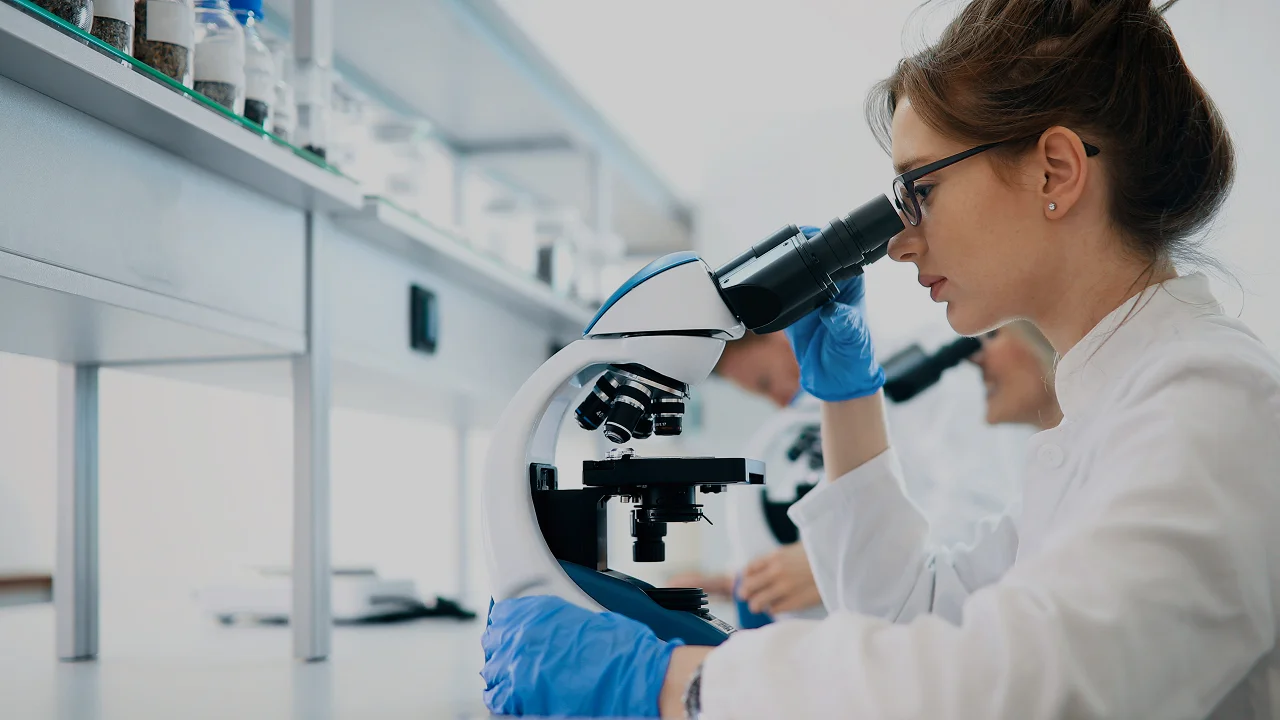
Step into a world of expert care at Zenith Oral Surgery, where our dedication to oral pathology blends advanced science with genuine compassion. We specialize in diagnosing and treating diseases affecting your mouth, jaws, and face, transforming concern into confidence through early detection and personalized treatment.
Our approach to oral disease is thorough and thoughtful. Using detailed examinations, state-of-the-art imaging, and precise tissue biopsies, we identify conditions early to provide effective, tailored care. By addressing concerns before they progress, we protect not just your oral health but your overall well-being.
Experience the reassurance of being cared for by licensed specialists whose skill and dedication set the standard. Collaborating closely with your dental and medical providers, we craft coordinated treatment plans delivered with warmth and clarity, ensuring every step supports your journey to wellness.
Oral pathology involves diagnosing and treating diseases that affect the tissues of the mouth, jaws, and facial structures. Accurate diagnosis often requires a combination of visual examination, imaging, and tissue biopsy. Early detection is key to successful treatment and can prevent complications or progression to more severe conditions such as oral cancer.
Seek professional evaluation if you notice persistent sores, lumps, or patches inside your mouth, or experience pain, bleeding, or difficulty swallowing. Changes such as red or white patches, unexplained sores that won’t heal, or unusual swelling should never be ignored, as they could be early signs of serious oral disease. Early diagnosis and treatment are essential for the best outcomes.
An oral pathologist is a uniquely trained dental expert who interprets clinical signs, biopsy results, and laboratory data to diagnose complex oral diseases. Their expertise is crucial in early cancer detection, infection control, and managing unusual conditions, offering you accurate diagnosis and a clear path to recovery.
From oral cancers and gum disease to fungal infections like thrush and various viral illnesses, we address a broad spectrum of oral health challenges. Our painless cancer screenings and biopsies catch disease early, while personalized therapies, both surgical and non-invasive can restore your health and smile.
An oral cancer screening is typically performed during a comprehensive checkup exam. Screenings are painless and only take a few minutes. If cell changes are present, a small biopsy will be performed and sent to a lab for review. If the biopsy indicates that oral cancer is present, a removal will need to be performed.
If you notice any of these signs persisting for more than two weeks, it’s important to see a healthcare professional for evaluation. Symptoms may include:
These symptoms can be detected on the lips, cheeks, palate, and gum tissue around the teeth, tongue, face, and/or neck.
Recognizing and addressing these risk factors early is essential for prevention and early detection of oral cancer. Risk factors include:
Periodontal disease often results from poor oral hygiene and can be worsened by factors such as smoking or a diet high in sugar. Common signs include inflamed gums that appear red and swollen, bleeding gums especially during brushing or flossing, and the buildup of dental plaque and hardened tartar (calculus) on teeth.
Effective management begins with professional dental cleanings, including scaling and root planing to remove plaque and tartar from below the gumline.
In some cases, prescribed antibiotics or antimicrobial rinses help control bacterial infection. More advanced treatments may involve surgical options like flap surgery, gum grafts, or regenerative procedures to restore lost tissue and bone, promoting better oral health and preventing tooth loss.
Gingivitis is the earliest and mildest form of gum disease, primarily causing inflammation of the gums. It is common among adults over 30 and is usually reversible with good oral hygiene and professional care.
If left untreated, gingivitis can progress to periodontitis, a more serious condition where the gums pull away from the teeth, forming pockets that become infected. Periodontitis causes permanent damage to the gums and jawbone, leading to bone loss, gum recession, and potential tooth loss.
Periodontal disease treatment often starts with non-surgical methods such as scaling and root planing, a deep cleaning procedure that removes plaque and tartar from below the gumline and smooths tooth root surfaces. This helps gums reattach to teeth and reduces infection. In addition to cleaning, dentists may prescribe antibiotics to control bacterial infection and promote healing.
For more advanced cases, surgical options like flap surgery, tissue regeneration, or bone and gum grafting may be necessary to restore lost tissue and support. Regular dental cleanings and good oral hygiene are essential to prevent and maintain periodontal health, reducing the need for invasive treatment.
Oral thrush is caused by an overgrowth of the Candida fungus that normally lives in the mucous membranes of the mouth. This yeast infection produces creamy white patches or lesions on the tongue, inner cheeks, roof of the mouth, gums, or tonsils.
Symptoms can include a cottony feeling, redness, soreness, and sometimes pain or difficulty swallowing. Patches may bleed slightly if scraped and can cause burning sensations or loss of taste.
Oral thrush commonly affects individuals with weakened immune systems, those using dentures, or those taking certain medications, but it can also occur in otherwise healthy people
Common risk factors include dry mouth, uncontrolled diabetes, weakened immunity from illnesses like cancer or HIV/AIDS, pregnancy with hormonal changes, use of dentures, smoking, and certain medications such as antibiotics or corticosteroids.
Treatment typically involves antifungal medications in the form of mouth rinses, lozenges, or oral tablets that reduce fungal growth. Maintaining good oral hygiene, managing underlying health conditions, and limiting sugar intake are also important for prevention and recovery.
We treat common viral infections such as cold sores caused by herpes simplex virus and painful canker sores (aphthous ulcers). Antiviral medications and supportive care reduce symptoms and frequency of outbreaks, improving patient comfort.
Herpes simplex virus (HSV) causes oral herpes which appears as cold sores or blisters around the lips and inside the mouth. This typically pops up around times of stress, illness, or immune suppression. This can be especially painful for children as it is highly contagious. Antiviral medications like acyclovir are used to reduce the severity and duration of outbreaks.
Aphthous stomatitis or canker sores are painful ulcers that appear inside of the mouth often on the tongue, cheeks, or soft palette. They typically have a white or yellowish center and a red inflamed border. The exact cause of these ulcers is unknown but may be triggered by stress, trauma, and dietary factors. They typically heal on their own within two weeks.
Beyond common viral ailments, we identify and treat intricate lesions, cysts, and tumors, using medications, surgery, or advanced therapies tailored to your needs. Complex cases receive the specialist attention essential for restoring function and beauty.
Treatment varies depending on the diagnosis. Common options include medication for infections or inflammation, surgical removal of cysts or tumors, and targeted therapy such as radiation or chemotherapy for cancer cases.
Laser treatments are also frequently used to remove lesions, promote faster healing, and minimize discomfort. For serious conditions, referral to an oral surgeon may be necessary for more complex procedures.
If your exam reveals suspicious lesions, cysts, or tumors, or if you experience ongoing oral health issues, scheduling a thorough evaluation with a qualified oral surgeon or specialist is recommended. Prompt action ensures early intervention, improving the chances of successful treatment and recovery.
If you notice unusual symptoms or need specialized oral pathology care, Zenith Oral Surgery is here as your trusted partner. Reach out to schedule a consultation where expert diagnosis meets compassionate healing, guiding you confidently toward restored oral health.