Contact us
Send Us Your Case Details
We’ll respond and let you know the best way to proceed with your case.

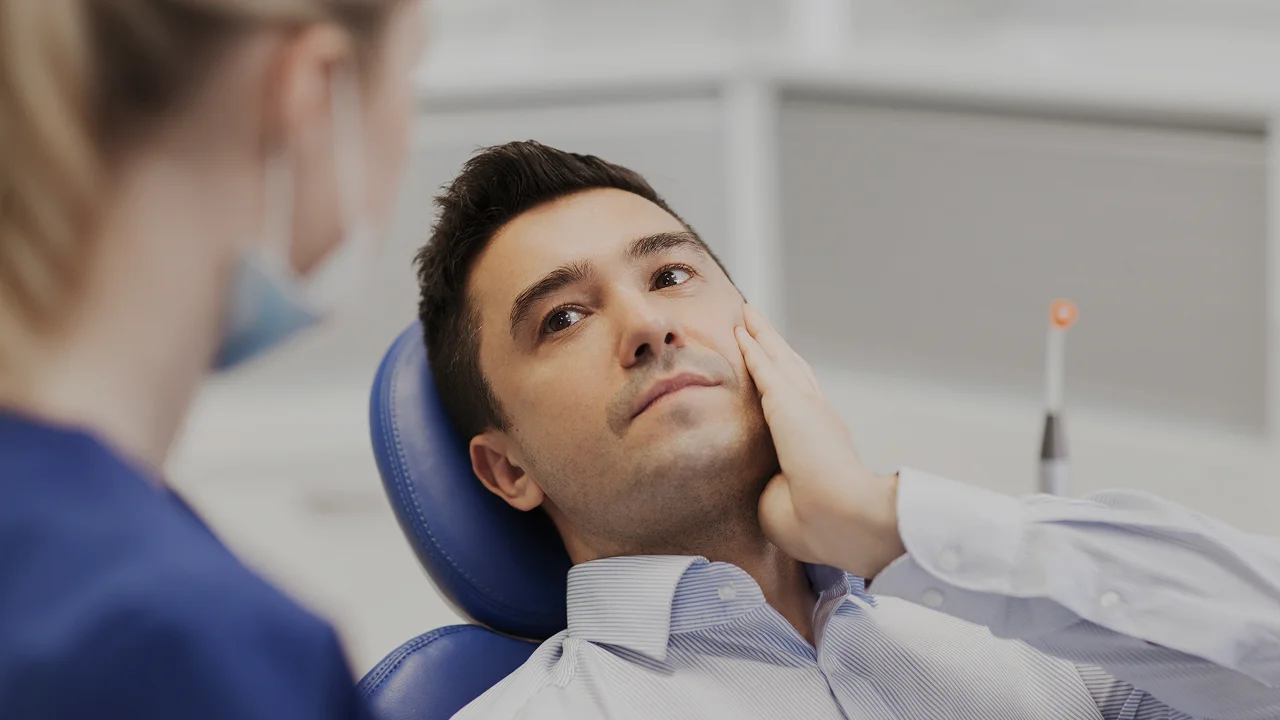
At Zenith Oral Surgery, we understand how TMJ disorders can disrupt your life with discomfort and impaired function. Our compassionate team combines advanced diagnostics with personalized treatments to ease your pain and restore natural jaw movement. We understand these challenges and provide comprehensive care options that address the root causes, giving you a clear path to lasting relief and enhanced quality of life.
At Zenith Oral Surgery, we understand the impact TMJ disorders can have on your quality of life. With a compassionate approach and advanced expertise, we provide personalized care designed to relieve pain, restore function, and improve your daily comfort. Our serene office environment and patient-focused care ensure you feel supported every step of the way.
The temporomandibular joint connects your jawbone to your skull, enabling movements essential for chewing, speaking, and yawning. TMJ disorders (TMD) arise when this joint or the muscles around it experience dysfunction, often causing pain, stiffness, and limited movement. Common triggers include stress, teeth grinding, trauma, or misalignment.
Your TMJ works seamlessly to allow natural jaw movement for chewing food efficiently, speaking clearly, and performing everyday actions like yawning. Healthy TMJ function is essential for maintaining comfort, nutrition, and effective communication.
Symptoms often include pain or tenderness in the jaw, face, or neck, clicking or popping sounds within the joint, difficulty opening or closing your mouth fully, tension headaches, and earaches. These signs collectively may indicate TMD and warrant an evaluation by our specialists.
You might feel persistent soreness or tenderness that radiates from the jaw into your face or neck muscles. This discomfort can intensify with jaw activity, making everyday tasks like eating and speaking challenging.
Audible clicks, pops, or grinding noises in the jaw suggest joint misalignment or cartilage issues. Though sometimes painless, these sounds often coincide with restricted movement or aching discomfort.
Difficulty opening or closing your mouth, or sensations of the jaw locking in place, may occur with TMJ dysfunction. This limitation can interfere with basic activities like eating and speaking and may require prompt attention.
TMJ disorders can cause tension headaches, ear pain, or ringing in the ears due to muscle strain and nerve irritation near the joint. These symptoms often worsen with stress or jaw overuse.
TMJ issues can stem from various factors such as jaw injuries, arthritis affecting the joint, bruxism (teeth grinding and clenching), gum chewing, or stress-related muscle tension. Misalignment of the teeth or jaw structure also contributes to instability and discomfort.
Injuries to the jaw from falls, blows, or accidents can disrupt the temporomandibular joint’s normal function. Such trauma may cause swelling, pain, or dislocation of the joint and, if untreated, can lead to chronic dysfunction requiring specialized care.
Teeth grinding and clenching generate excessive pressure on the TMJ and adjacent muscles. Over time, this leads to muscle fatigue, joint wear, pain, and headaches, often worsening during times of stress or anxiety.
Arthritis can degrade the jaw joint’s cartilage, causing inflammation and joint instability. This condition results in pain, limited jaw movement, and may necessitate comprehensive management including medications or surgery.
Psychological stress plays a significant role in TMJ disorders by causing increased muscle tension and jaw clenching. Habits like excessive gum chewing or nail biting also add strain to the joint, making symptoms more frequent and severe.
We emphasize conservative care first, including custom mouthguards to prevent grinding, physical therapy to relax muscles, anti-inflammatory medications, and complementary therapies such as essential oils or acupuncture.
Arthrocentesis is a minimally invasive procedure used primarily to treat disorders of the temporomandibular joint (TMJ) by flushing the joint with sterile fluid. The process involves inserting two small needles into the joint space; one needle injects the fluid, while the other drains it, helping to remove debris and reduce inflammation.
This technique can be performed under local or general anesthesia and often includes the injection of medications like corticosteroids to aid healing.
Arthrocentesis offers targeted relief for joint pain and dysfunction without the need for major surgery, allowing most patients to return home the same day. It is often combined with other non-surgical treatments, including trigger point acupuncture, to provide comprehensive symptom management.
Oral surgery is rarely required but may be necessary in cases of severe joint damage or anatomical abnormalities. Procedures including arthroscopy and open-joint surgery are performed with precision to restore joint function and relieve pain.
Surgical intervention is reserved for severe or persistent cases. Minimally invasive arthroscopy allows for joint cleaning and repair, while open-joint surgery corrects structural problems to restore function and alleviate pain.
Our team uses detailed evaluations, including clinical exams and imaging studies to diagnose TMJ disorders accurately. A personalized treatment plan is then developed with you, focusing on your unique symptoms and goals.
Don’t let jaw pain disrupt your life any longer. Contact Zenith Oral Surgery to schedule your consultation and begin a tailored, compassionate treatment plan designed to bring lasting relief.